




AI Sales Roleplay vs Call Recording: Which Comes First?
One rehearses the call that has not happened, the other reviews the one that did. Where each wins, and which to buy first on a limited budget.
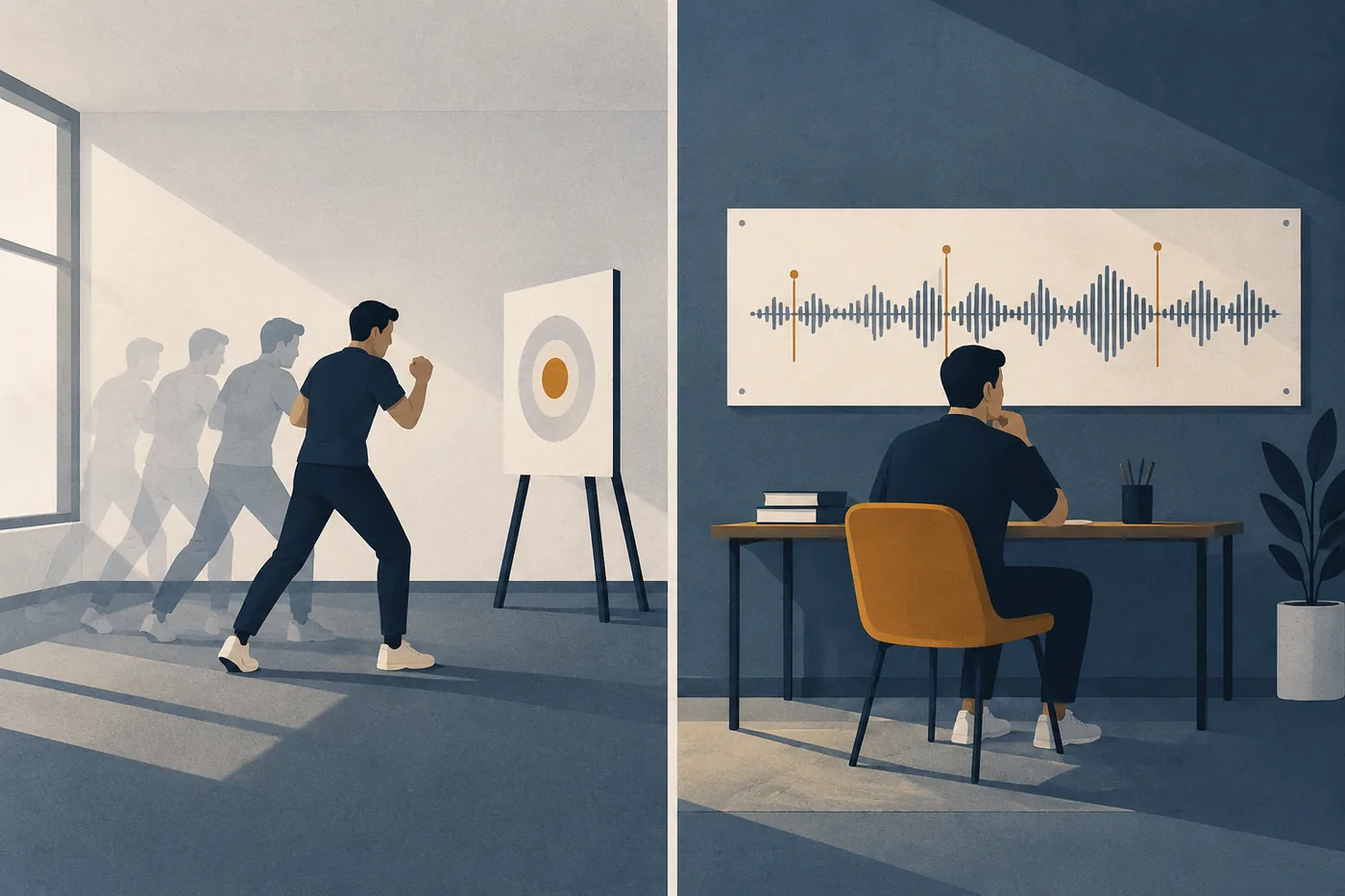
Most sales teams already own a call recorder. Fewer own an AI sales roleplay tool, and the two are constantly compared as if a team should pick one. They solve different halves of the same problem: one of them works on the call that has not happened yet, the other on the call that already has. Knowing which half is broken tells you which to buy first.
Revyn puts a rep in front of a live AI buyer that objects, then scores the call.
Try a practice call#The honest difference
Call recording is a review instrument. It captures what was said, transcribes it, tags the moments a manager cares about, and makes coaching possible without sitting in on every call. Everything it knows, it learned from a real prospect who was on the other end of a real deal.
AI sales roleplay is a rehearsal instrument. It puts a rep in front of a simulated buyer, lets them get the objection wrong, and lets them get it wrong again ten minutes later. Nothing it knows came from a real prospect, and nothing a rep does inside it can lose a deal.
That last clause is the whole argument for rehearsal. A recorder's feedback is always paid for with live pipeline — a rep learns the lesson because a real buyer already walked away. Practice moves the cost of learning off the pipeline and into a sandbox.
#Where each one genuinely wins
Recording wins on truth. It is evidence. What the buyer actually objected to, what the rep actually promised, how the price conversation actually went. No simulation gives you that, and any coaching programme without it is opinion.
Roleplay wins on repetition. A rep will face a hard objection perhaps twice a week in the wild. They can face it twenty times in an afternoon in a simulator. Skills that are verbal and pressured — the pause before answering a price challenge, the discovery question that does not sound like a form — improve with reps, not with analysis.
Recording wins on coverage. Every call is captured, including the ones nobody would have flagged.
Roleplay wins on speed of rollout. When positioning changes on Monday, rehearsal has the team saying the new thing by Friday. Recording will eventually show you who never adopted it, which is the same information a fortnight later.
#The sequence most teams get wrong
The common failure is buying rehearsal to fix a problem that review has not yet diagnosed. Teams put reps in front of a roleplay scenario built on a manager's hunch about what is going wrong, and drill an objection the pipeline was never actually losing on.
The better order is to let the recorder tell you where deals die, then build the practice around exactly that. Mindtickle's comparison of roleplay and traditional coaching makes the same argument: the simulation is only as good as the diagnosis it is built on. Coaching stacks that combine both, as this breakdown of roleplay and post-call tooling describes, treat them as one loop rather than competing purchases.
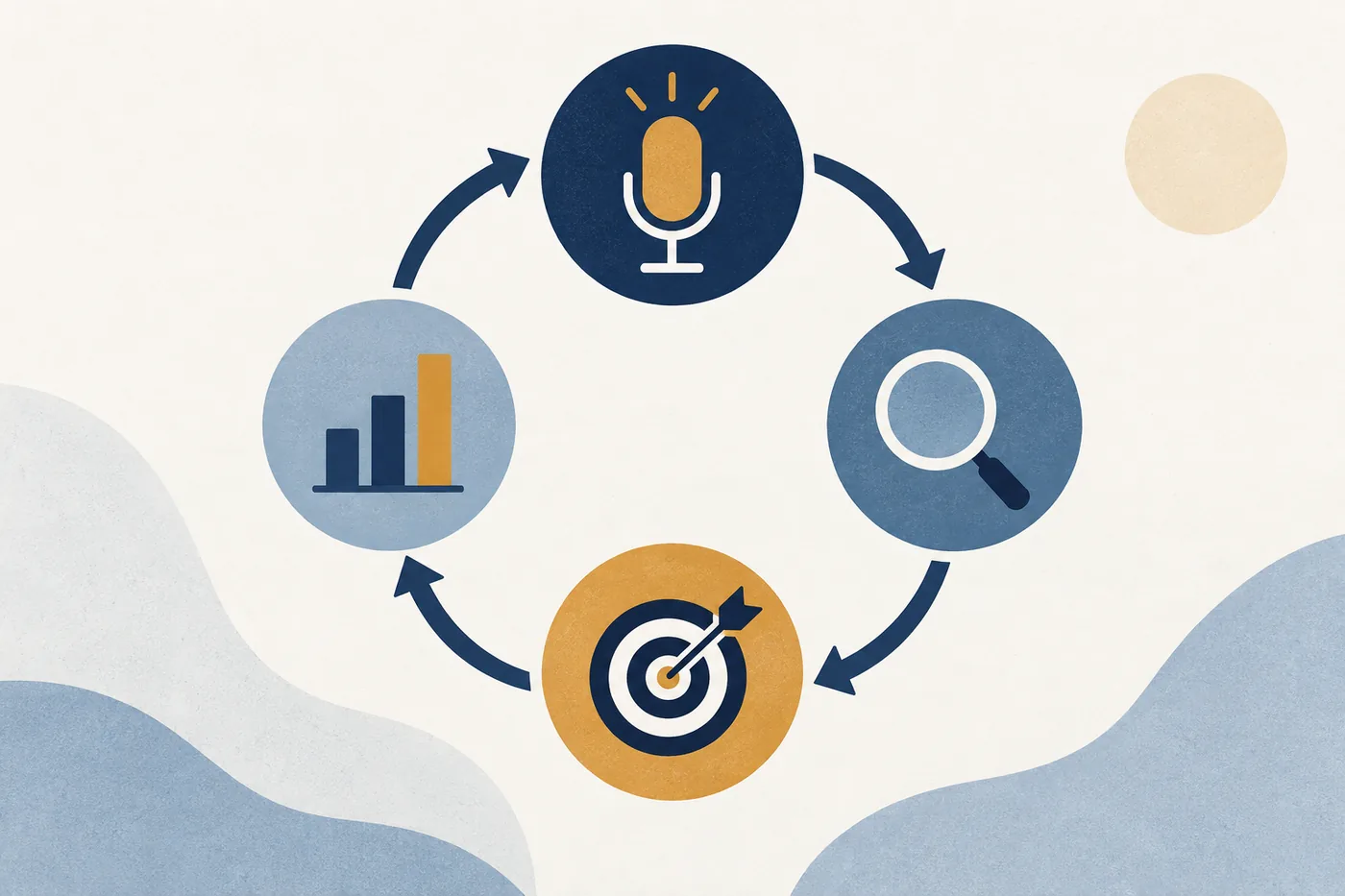
The loop is simple. Record real calls. Find the pattern that is costing money. Build a scenario that reproduces exactly that moment. Drill it. Go back to the recordings and check whether the pattern moved.
#If you can only buy one this year
Buy the recorder if your team is small and tenured, if your reps already know the pitch, and if managers cannot tell you which stage deals are dying at. You have a visibility problem and rehearsal will not fix it.
Buy rehearsal if you are hiring faster than your managers can coach, if new reps wait weeks for their first live call, or if you roll out new messaging often — the last case is the one where a shared knowledge base does the work, because the simulated buyer only knows what it has been told. You have a repetition problem and no amount of reviewing will create at-bats that do not exist.
The team that should buy rehearsal first is almost always the one ramping new hires, because the alternative is training them on real buyers.
#Limitations and what to watch
A simulated buyer is not a buyer. It is agreeable in ways real prospects are not, it rarely goes silent for three days, and it cannot reproduce the politics of a committee. Reps who only ever practise against a model can become fluent in a conversation that does not happen.
Recording has its own limit: it tells you what happened, never what would have happened. And both tools carry the same governance question — where the audio lives, how long it is kept, and whether it trains anybody's model. Get that in writing before either one touches a customer conversation.
#Key takeaways
- Call recording reviews the call that happened; AI sales roleplay rehearses the one that has not.
- Rehearsal moves the cost of a rep's mistakes off live pipeline and into a sandbox.
- Diagnose with recordings first, then build practice scenarios around what the recordings show.
- Buy recording for a visibility problem and rehearsal for a repetition problem — ramping teams usually have the second.
AI sales roleplay and call recording are not competitors, they are two ends of one coaching loop. Start with whichever half is missing, wire the other in when budget allows, and compare your pipeline data before and after to see whether the rehearsal actually moved the number.
#FAQs
What is the best AI sales roleplay software?
The right choice depends on whether you are buying for ramp, certification, message rollout or coaching. Test candidates by having a rep deliberately go off-script, and see which simulated buyer stays coherent.
What's the best AI tool for sales?
Roleplay and call recording solve different halves of the coaching problem. If managers cannot say where deals die, start with recording; if new reps are waiting weeks for live at-bats, start with rehearsal.
Is there a free AI sales roleplay platform?
Free tiers and trials exist in this category, but they are usually limited on scenario authoring and reporting. Confirm data handling terms before putting real call content into any free tier.
Which AI sales trainer is considered the best?
No independent benchmark exists for this category yet. The most reliable comparison is your own bake-off: same two reps, same four tests, same week.
Compare your pipeline data before and after adding rehearsal to see whether it moved the number.
Start freeMore from the blog
How to Handle a Price Objection on a B2B Sales Call
"Too expensive" is a conclusion, not a reason. The four causes behind a price objection, and how to answer each one without discounting.

